How Does Electrical Load Planning Impact Heat Pump Installation Success?
Thinking about installing a heat pump? Choosing the right equipment is only part of the process. One factor that often gets overlooked is your home’s electrical load. If your electrical system cannot safely support a new heat pump, you may experience performance issues, higher energy costs, or even frequent breaker trips.
Understanding electrical load planning can help ensure your investment performs as expected.
What Is Electrical Load Planning?
Electrical load planning is the process of determining whether your home’s electrical panel and wiring can handle the power demands of a new heat pump. Every home already uses electricity for lighting, appliances, electronics, and other equipment. Adding a heat pump increases that demand.
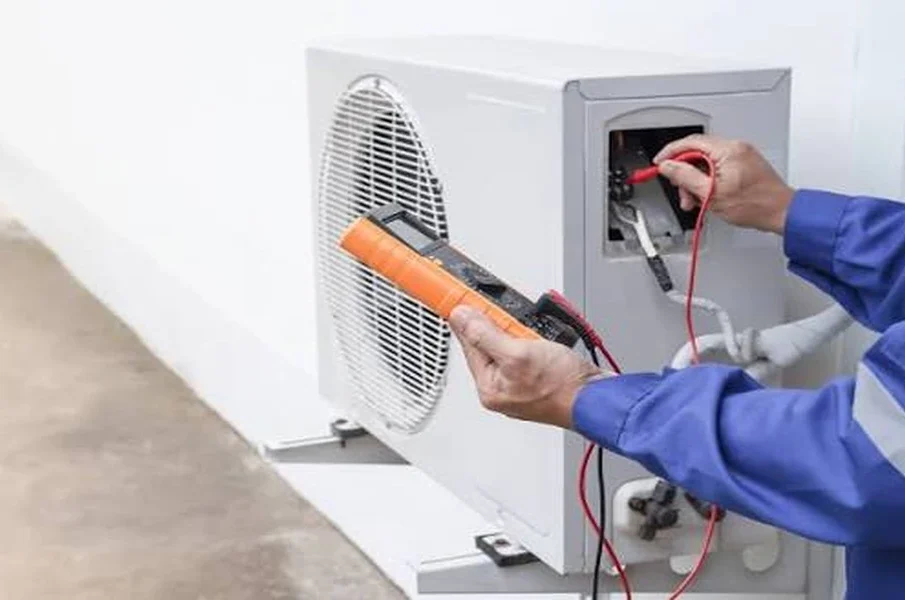
Before installation, a technician evaluates your existing electrical capacity to make sure the system can operate safely and efficiently.
Why Does It Matter For Heat Pump Performance?
A heat pump depends on a steady electrical supply to run properly. If the electrical system is overloaded, the unit may not perform at its best.
You might notice problems such as:
- Frequent circuit breaker trips
- Reduced heating or cooling performance
- Unexpected system shutdowns
- Faster wear on electrical components
Proper load planning helps prevent these issues before installation begins.
Older Homes May Need Electrical Upgrades
Many older homes were not designed for today’s electrical demands. Adding a modern heat pump without checking the electrical panel can create unnecessary challenges.
In some cases, a panel upgrade or dedicated circuit may be recommended. While this adds to the initial project, it helps protect your equipment and supports reliable performance for years to come.
Proper Planning Improves Efficiency
A heat pump is designed to deliver energy-efficient heating and cooling. However, that efficiency depends on the entire system working together. An electrical system that matches the unit’s requirements allows the heat pump to operate smoothly without unnecessary strain.
This can help lower monthly energy costs, improve indoor comfort, and reduce the likelihood of future repairs.
Professional Installation Makes A Difference
Every home has unique electrical needs. Factors such as panel capacity, existing appliances, and household energy usage all play a role in determining the right setup.
Service Champions carefully evaluates these details before recommending a heat pump installation. By planning for both the HVAC system and the home’s electrical capacity, our team helps homeowners throughout Southern California enjoy dependable comfort and long-term efficiency.
Conclusion
Electrical load planning is an important step that should never be overlooked during a heat pump installation. Taking the time to evaluate your home’s electrical capacity helps prevent costly problems and supports better system performance. With careful planning and expert installation, you can enjoy reliable, energy-efficient comfort throughout every season.