
How to Winterize Your Pool: Essential Tips for Cold Weather Care
Winterizing your pool is a crucial step in ensuring its longevity and maintaining its condition during the colder months. Proper winterization protects your pool from potential damage caused by freezing temperatures, reduces maintenance costs, and makes reopening your pool in the spring much easier. This article provides comprehensive and essential tips for cold weather care to help you winterize your pool effectively.

Why Winterize Your Pool?
Winterizing your pool is essential for several reasons:
- Preventing Damage: Freezing water can cause significant damage to pool components, such as pipes, pumps, and filters.
- Reducing Maintenance Costs: Proper winterization reduces the risk of costly repairs and extends the lifespan of your pool equipment.
- Easier Reopening: A well-winterized pool requires less effort and expense to get back in shape for the swimming season.
Steps to Winterize Your Pool
- Clean the Pool Thoroughly
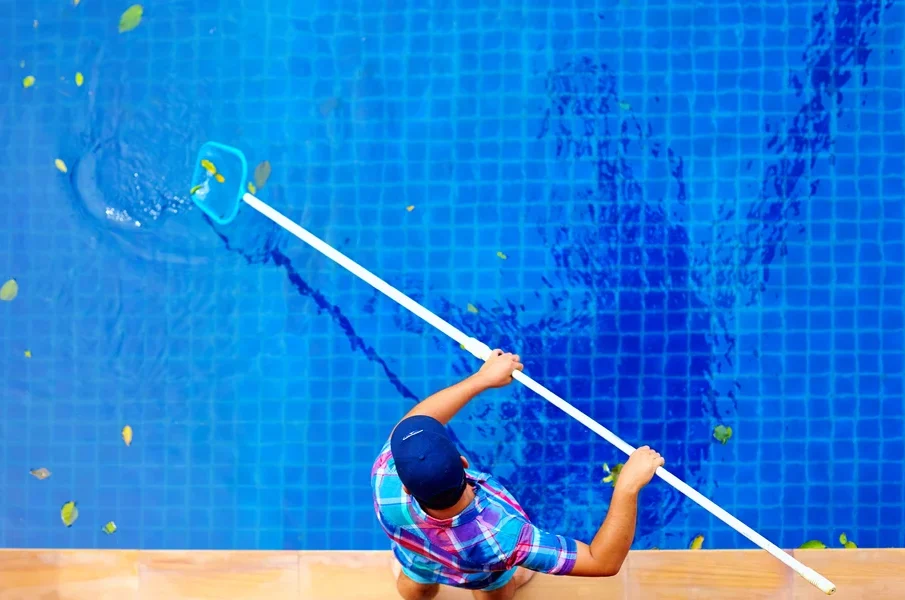
Before winterizing, ensure your pool is clean and free of debris. This includes skimming the surface, vacuuming the bottom, and brushing the walls to prevent algae growth and staining over the winter.
- Balance the Water Chemistry
Properly balanced water chemistry is crucial for protecting your pool surfaces and equipment during the winter. Test and adjust the pH, alkalinity, and calcium hardness levels. Ideally, your pool’s pH should be between 7.2 and 7.6, total alkalinity between 80 and 120 ppm, and calcium hardness between 200 and 400 ppm.
- Shock the Pool
Shocking your pool helps eliminate any remaining bacteria, algae, and organic contaminants. Use a high-quality pool shock product and follow the manufacturer’s instructions for the appropriate dosage based on your pool size.
- Lower the Water Level
Lowering the water level in your pool is essential to prevent damage from freezing. Reduce the water level to below the skimmer, typically about 4-6 inches below the tile line. This prevents water from entering and potentially damaging the skimmer and plumbing.
- Drain and Store Equipment
Drain all pool equipment, including pumps, filters, heaters, and chlorinators, to prevent freeze damage. Remove and store equipment like ladders, handrails, and diving boards in a dry, safe location.
Additional Tips for Winterizing Your Pool
Protecting Pool Plumbing
To prevent freezing and potential damage to your pool plumbing, use an air compressor to blow out the water from the pipes. Plug the return jets and skimmer to keep water from re-entering the plumbing system.
Adding Winterizing Chemicals
Add winterizing chemicals to your pool to prevent algae growth and maintain water quality. These chemicals include algaecides, winterizing floaters, and enzyme-based products that break down organic matter over the winter.
Installing a Pool Cover
A high-quality pool cover is essential for protecting your pool from debris and harsh weather conditions. Choose a cover that fits securely and is designed to withstand winter weather. Safety covers provide additional protection by preventing accidental falls into the pool.
Benefits of Proper Winterization
Proper winterization of your pool offers several benefits, including:
- Extended Equipment Lifespan: Protecting your pool equipment from freeze damage ensures it lasts longer and performs better.
- Cost Savings: Preventing damage and reducing the need for extensive spring cleaning saves you money on repairs and maintenance.
- Peace of Mind: Knowing your pool is well-protected during the winter gives you peace of mind and confidence that it will be ready for use when the weather warms up.
Conclusion
Winterizing your pool is a vital part of pool ownership that requires attention to detail and proper execution. By following these essential tips for cold weather care, you can ensure your pool remains in excellent condition throughout the winter and is ready for an easy and stress-free opening in the spring. Invest the time and effort now to protect your pool and enjoy a hassle-free swimming season next year.


