
Smart HVAC Systems: The Future of Home Climate Control
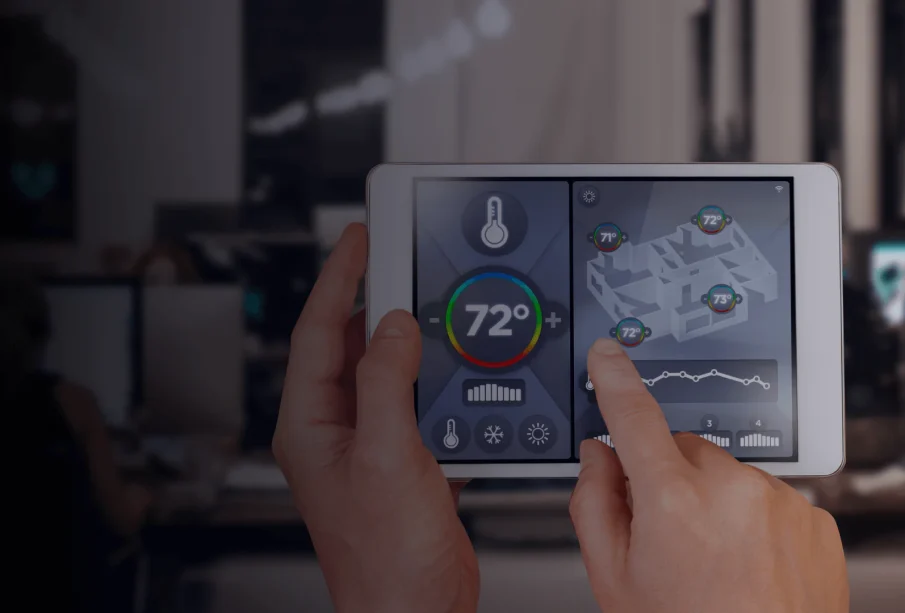
Smart HVAC systems are revolutionizing home climate control, offering unprecedented efficiency, convenience, and comfort. As we move further into 2024, these intelligent heating, ventilation, and air conditioning solutions are becoming increasingly sophisticated, integrating seamlessly with other smart home technologies to create truly responsive and energy-efficient living environments.

The Evolution of HVAC Technology
Traditional HVAC systems have come a long way from simple on/off controls. Today’s smart HVAC systems leverage advanced sensors, machine learning algorithms, and Internet of Things (IoT) connectivity to optimize home comfort while minimizing energy consumption. This evolution represents a significant leap forward in how we manage our indoor climates.
Key Features of Smart HVAC Systems
- Intelligent Thermostats
At the heart of any smart HVAC system is an intelligent thermostat. These devices go beyond simple temperature scheduling, learning from user behaviors and preferences to create personalized comfort profiles. Smart thermostats can:
- Adjust temperatures based on occupancy and time of day
- Integrate with weather forecasts to optimize heating and cooling
- Provide detailed energy usage reports and suggestions for improvement
- Zone Control
Zone control allows homeowners to set different temperatures for various areas of their house, ensuring optimal comfort and energy efficiency. This feature is particularly useful in larger homes or those with varying heating and cooling needs across different rooms.
- Remote Access and Control
With smartphone apps and voice assistant integration, users can control their HVAC systems from anywhere. This remote access enables:
- Adjusting temperatures before arriving home
- Receiving alerts about system issues or maintenance needs
- Changing settings while away on vacation
- Air Quality Monitoring
Many smart HVAC systems now include air quality sensors that can detect pollutants, humidity levels, and even the presence of volatile organic compounds (VOCs). These systems can automatically adjust ventilation or activate air purifiers to maintain healthy indoor air quality.
Energy Efficiency and Cost Savings
One of the most significant advantages of smart HVAC systems is their potential for energy savings. By optimizing operation based on real-time data and user patterns, these systems can significantly reduce energy consumption. Features contributing to efficiency include:
- Variable-speed compressors that adjust output based on demand
- Smart scheduling that reduces HVAC usage during peak energy price periods
- Integration with smart home systems to adjust based on occupancy sensors or geofencing
Studies have shown that smart HVAC systems can lead to energy savings of up to 20-30% compared to traditional systems.
Integration with Smart Home Ecosystems
Smart HVAC systems are increasingly designed to work seamlessly with other smart home devices and platforms. This integration allows for:
- Coordinated operation with smart blinds or curtains to optimize natural heating and cooling
- Synchronization with smart lighting systems to create cohesive comfort environments
- Integration with voice assistants for hands-free control
Predictive Maintenance and Diagnostics
Advanced diagnostics and predictive maintenance capabilities are another hallmark of smart HVAC systems. These features can:
- Alert homeowners to potential issues before they become major problems
- Schedule maintenance based on actual system usage rather than arbitrary timelines
- Provide technicians with detailed system information for more efficient repairs
Challenges and Considerations
While smart HVAC systems offer numerous benefits, there are some challenges to consider:
- Initial costs can be higher than traditional systems
- Privacy concerns related to data collection and sharing
- Potential for increased complexity in troubleshooting and repairs
The Future of Smart HVAC
Looking ahead, we can expect even more innovations in smart HVAC technology. Potential developments include:
- Greater integration of artificial intelligence for predictive climate control
- Increased use of renewable energy sources in HVAC operation
- Enhanced personalization through wearable technology integration
As smart HVAC systems continue to evolve, they promise to deliver even greater comfort, efficiency, and control over our home environments. By embracing these technologies, homeowners can enjoy more comfortable living spaces while contributing to a more sustainable future.