How to Improve Indoor Air Quality with Your HVAC System

In today’s world, where we spend a significant portion of our time indoors, maintaining good indoor air quality (IAQ) has become more crucial than ever. Your HVAC system plays a pivotal role in ensuring the air you breathe at home or in your office is clean and healthy. This article will explore various strategies and technologies to enhance your indoor air quality using your HVAC system.
Understanding the Importance of Indoor Air Quality
Indoor air quality refers to the condition of the air within and around buildings, especially as it relates to the health and comfort of occupants. Poor IAQ can lead to various health issues, including respiratory problems, headaches, fatigue, and even long-term conditions like heart disease and cancer. With Americans spending approximately 90% of their time indoors, where pollutant concentrations can be 2 to 5 times higher than outdoors, improving IAQ is paramount for overall well-being.

Key HVAC Features for Enhancing Indoor Air Quality
Advanced Filtration Systems
One of the most effective ways to improve IAQ through your HVAC system is by upgrading your air filters. High-efficiency particulate air (HEPA) filters can remove up to 99.97% of airborne particles as small as 0.3 microns. For optimal results, consider using filters with a Minimum Efficiency Reporting Value (MERV) rating between 8 and 13.
UV Light Purification
Ultraviolet germicidal irradiation (UVGI) technology can be integrated into your HVAC system to neutralize microorganisms like bacteria and viruses. This technology is particularly effective in maintaining a healthier indoor environment by reducing the spread of airborne pathogens.
Smart Ventilation Systems
Proper ventilation is crucial for maintaining good IAQ. Smart HVAC systems can automatically adjust ventilation rates based on occupancy and indoor air quality sensors, ensuring a constant supply of fresh air while optimizing energy efficiency.
Latest Air Purification Technologies
Molecular Air Purification
Molecular air purifiers use activated carbon beds to capture volatile organic compounds (VOCs), gases, and fumes that are common in industrial and residential settings. This technology is particularly effective in eliminating odors and chemical pollutants.
Electrostatic Precipitators (ESPs)
ESPs use an electrical charge to remove particles from the air. These devices are highly efficient in capturing fine particles and can be an excellent addition to your HVAC system for improved IAQ.
Practical Tips for Improving IAQ with Your HVAC System
Regular Maintenance
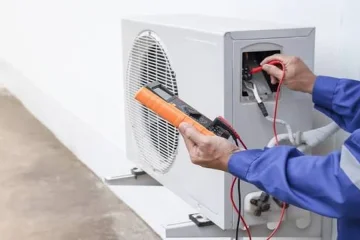
Routine maintenance of your HVAC system is crucial for optimal performance and air quality. This includes regular filter changes, cleaning of ducts and vents, and professional inspections.
Control Humidity Levels
Maintaining proper humidity levels (between 30-50%) can prevent mold growth and reduce the presence of dust mites. Consider integrating a whole-house humidifier or dehumidifier with your HVAC system to achieve optimal humidity levels.
Upgrade to a Smart Thermostat
Smart thermostats can help monitor and control indoor air quality by adjusting ventilation rates and filtration based on real-time air quality data.
Incorporate Air Purifiers
While not a direct part of your HVAC system, standalone air purifiers can complement your HVAC’s air cleaning capabilities, especially in areas with specific air quality concerns.
Conclusion
Improving indoor air quality with your HVAC system involves a combination of advanced technologies, regular maintenance, and smart control strategies. By implementing these measures, you can create a healthier indoor environment, reduce the risk of air quality-related health issues, and enhance overall comfort in your living or working space.Remember, while these strategies can significantly improve your IAQ, it’s essential to consult with HVAC professionals to determine the best solutions for your specific needs and system capabilities. With the right approach, your HVAC system can be a powerful tool in maintaining clean, healthy indoor air.