Energy-Efficient HVAC Solutions: Lowering Your Carbon Footprint
With increasing awareness about climate change and the need for sustainable living, energy-efficient HVAC (Heating, Ventilation, and Air Conditioning) solutions are becoming more popular. These systems not only lower your carbon footprint but also reduce energy costs, enhance comfort, and improve indoor air quality. This article explores various energy-efficient HVAC solutions, their benefits, and how they contribute to a greener environment.
The Importance of Energy-Efficient HVAC Systems
Energy-efficient HVAC systems play a crucial role in reducing greenhouse gas emissions. Traditional HVAC systems are significant energy consumers, often leading to high electricity bills and increased carbon emissions. By opting for energy-efficient solutions, homeowners and businesses can make a positive impact on the environment while enjoying cost savings and improved comfort.
Key Energy-Efficient HVAC Solutions
High-Efficiency Furnaces and Boilers
High-efficiency furnaces and boilers operate at a higher efficiency rate than standard models, converting more fuel into usable heat. Look for systems with an Annual Fuel Utilization Efficiency (AFUE) rating of 90% or higher. These systems use less fuel, produce fewer emissions, and can significantly lower heating costs. Regular furnace repair and maintenance are essential to ensure these high-efficiency systems continue to perform optimally over time.

Heat Pumps
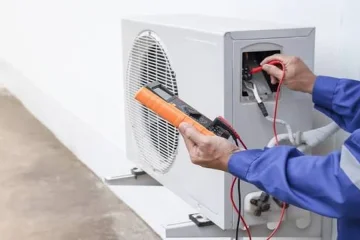
Heat pumps are versatile devices that provide both heating and cooling by transferring heat from one place to another. They are much more energy-efficient than traditional HVAC systems because they move heat rather than generate it. There are various types of heat pumps, including air-source, ground-source (geothermal), and ductless mini-split systems, each offering different benefits and efficiency levels.
Programmable Thermostats
Programmable thermostats allow users to set schedules for their HVAC systems, ensuring they operate only when needed. This reduces energy waste and improves efficiency. Smart thermostats take this a step further by learning user preferences and adjusting settings automatically for optimal performance.
Variable Speed HVAC Systems
Variable speed HVAC systems adjust their output to match the heating or cooling demand precisely. Unlike traditional systems that operate at full capacity or not at all, variable speed systems run at lower speeds for longer periods, providing consistent comfort and reducing energy consumption.
Enhancing HVAC Efficiency with Insulation and Sealing
Proper Insulation
Proper insulation in walls, attics, and floors is essential for maintaining indoor temperatures and reducing the load on HVAC systems. Insulated homes retain heat in the winter and stay cooler in the summer, allowing HVAC systems to operate more efficiently.
Sealing Ductwork
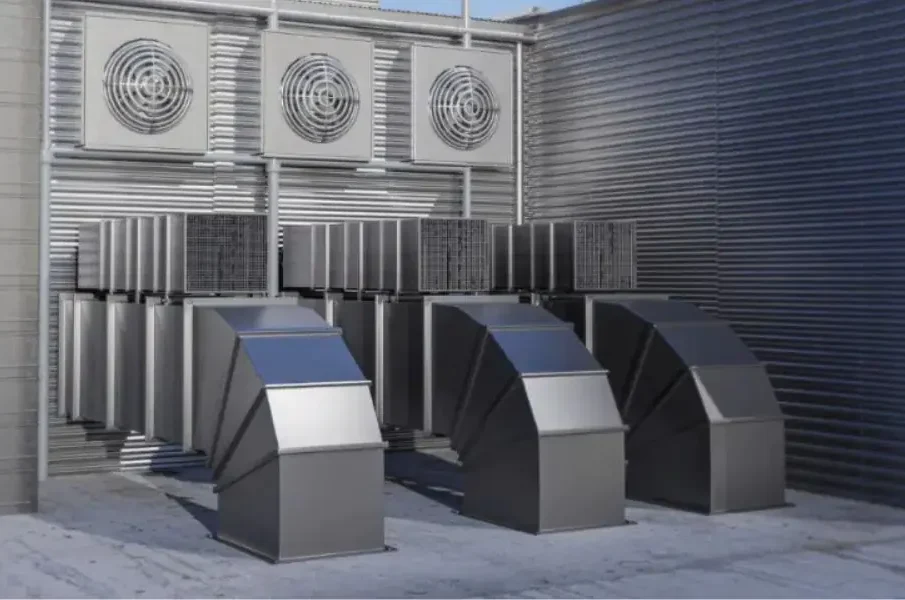
Leaky ductwork can result in significant energy losses, as conditioned air escapes before reaching its destination. Sealing ducts with mastic or metal tape and ensuring they are properly insulated can enhance the efficiency of HVAC systems and improve indoor air quality.
Benefits of Energy-Efficient HVAC Solutions
Lower Energy Bills
Energy-efficient HVAC systems consume less energy, leading to lower utility bills. Over time, the cost savings can offset the initial investment in high-efficiency equipment.
Reduced Carbon Footprint
By using less energy, energy-efficient HVAC systems help reduce carbon emissions. This contributes to a cleaner environment and supports efforts to combat climate change.
Enhanced Comfort
Energy-efficient systems provide more consistent temperatures and better humidity control, enhancing overall comfort in homes and workplaces.
Improved Indoor Air Quality
Many energy-efficient HVAC systems come with advanced filtration and ventilation features that improve indoor air quality by removing pollutants, allergens, and humidity.
Conclusion
Investing in energy-efficient HVAC solutions is a smart choice for anyone looking to lower their carbon footprint, save on energy costs, and enhance indoor comfort. From high-efficiency furnaces and heat pumps to programmable thermostats and proper insulation, there are various ways to make your HVAC system more sustainable. By embracing these technologies and practices, you can contribute to a greener future while enjoying the benefits of a more efficient and comfortable home.