
Buying a Floating Dock in Miami: What to Check Before You Spend Money
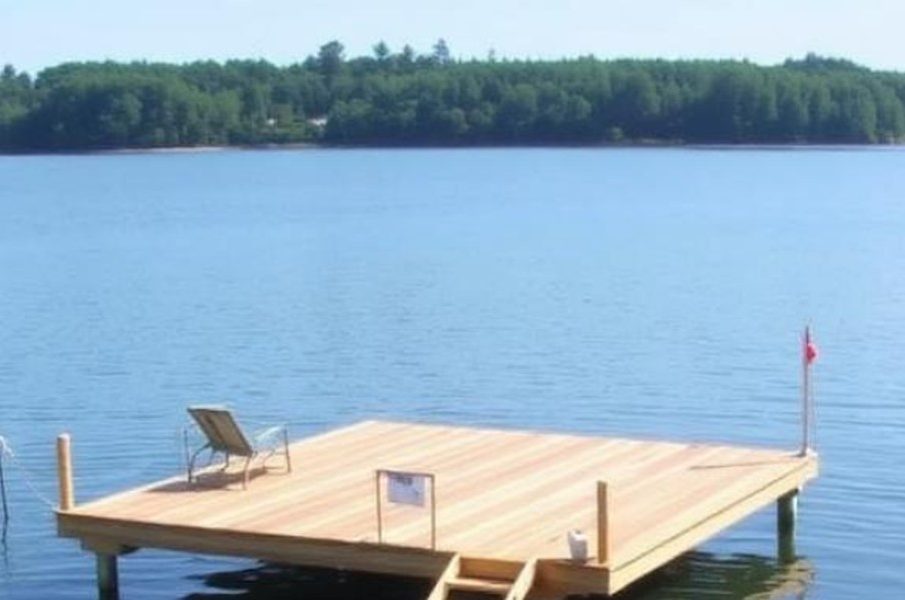
At first, buying a floating dock seems simple. Easy tie-ups, warm water and sunny weekends. You dig deeper and discover that there are some moving parts to consider before you sign or swipe any cards. Here’s an easy guide to help make the right choice and save money later.
Learn Your Site Conditions
Start with the water. Glossy photos are not as important as depth, bottom type and exposure.
- Water depth and tides: measure the low-tide water depth and the typical swing of the tide. Docks should be able to float without hitting the hulls or grounding during low tide.
- Bottom composition: Silt, sand, and seagrass all behave differently. What’s below you can affect the rules for anchoring and environmental protection.
- Miami’s waterways are busy with traffic. You will need more anchoring and stronger hardware if you are exposed to more wind and wake.
Materials that are suited to Miami’s climate
Here, the heat, humidity, salt and sun are constant. Choose materials that will last.
- Modules: HDPE or encapsulated foam floats are more resistant to UV and punctures than foam.
- Decking: Polyethylene or composite decking that is UV-stabilized resists fading. If you prefer wood, choose marine-grade species. Expect more maintenance.
- Frames and hardware are best made of marine-grade aluminum, or hot-dipped zinc-coated steel. Stainless fasteners can help to prevent corrosion.
Anchoring and Stability
Anchoring is the most important part of your dock.
- Anchors or piles? Protected canals may use anchors. In windier, open areas, helix or heavy deadweight anchors are often used.
- Articulation: The dock can move along with the tides and waves using hinges, ramps and rollers.
- Freeboard: Adjust dock height according to the boat’s profile and passengers. Lower freeboard is good for small boats and paddleboards. Higher freeboard is better for heavier boats.
Hurricanes and Storm Preparedness
Miami weather is unpredictable. Plan ahead from the start.
- Select systems that are rated higher for wind and waves energy.
- Consider quick-release hardware: This allows you to remove sections of your vessel or secure it quickly in the event of a storm.
- Plan your storage: If a storm is approaching, know where you will move the dock and how you will strap it.
Permits and Rules for Neighbors
It’s not fun, but you can save yourself headaches.
- Permitting: Verify local permit requirements and restrictions on waterways. You may need to consider shoreline changes, lighting and navigation clearances.
- Environmental considerations: Keep in mind manatees and seagrass beds. Also, follow water quality regulations. Staying compliant is easier when you choose eco-friendly designs.
- HOA or Marina rules: Some communities have restrictions on noise, size, and lighting. It is better to know the rules than to retrofit them later.
Safety and Convenience
The small choices make a dock feel great to use.
- Non-slip surfaces: Miami sun plus wet feet equals slippery. Decking that is textured and barefoot friendly will be a good choice.
- Cleats and Fenders: Determine tie-off points that are suitable for your boat, and one a bit larger. Docks are not as often upgraded as boats.
- Plan for power and water. If you plan to add utilities, ensure that conduits, GFCI protection and hose bib location are planned in advance.
- Lighting: Low glare marine-rated lighting increases safety without blinding boaters or neighbors.
Budget and lifetime costs
The price on the sticker is not all there is to it.
- Upkeep vs. upfront costs: Some materials are more expensive now, but require less maintenance.
- Modularity: Choose a system that is modular if you plan to add later a kayak launch bay or a PWC dock.
- Clarity in warranty: Know what is covered, how long it lasts, and what invalidates it. If the language used is unclear, saltwater can be a problem.
Quick Checklist Before Buying
- Measure the low tide depth, tidal area, and wake exposure
- Check that materials are UV-resistant and saltwater resistant
- Freeboard should be matched to the boat and its typical usage.
- Plan your anchoring according to the site conditions
- Review HOA, environmental and permitting rules
- Safety gear, such as safety lighting and map utilities
- Compare the total cost of ownership and not just the price
Take your time and make sure you get the floating dock right. It will not feel like a project for a weekend that never ends. This balance between durability, compliance and comfort on a daily basis is what allows you to spend more time on the water in Miami.
This post was written by a professional at Supreme Marine Floating Docks. Supreme Marine Floating Docks is dedicated to providing top-quality floating dock services Ft Lauderdale and marine accessories that combine durability, innovation, and superior performance. While we are a new brand, our team brings over 50 years of combined industry experience, making us a trusted name in the marine world. We are passionate about designing and delivering products that meet the highest standards, ensuring reliability and longevity in all marine environments. Whether for residential, commercial, or recreational use, our docks are crafted with precision and care, setting a new benchmark in the industry. At Supreme Marine, we don’t just build docks-we create lasting solutions.