
The Future of Smart Plumbing: Innovations to Watch in 2024
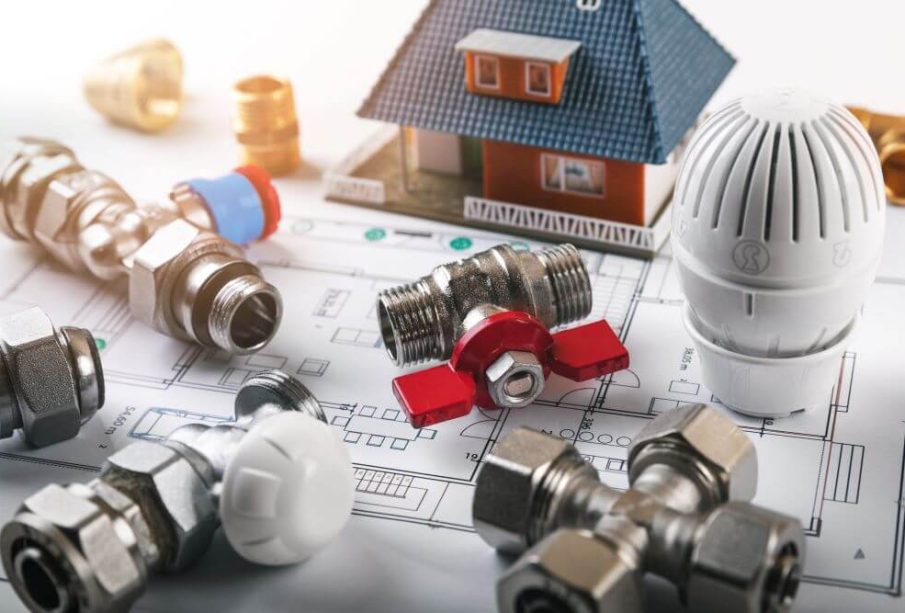
Smart plumbing is revolutionizing how we manage water usage in our homes and businesses. As technology continues to advance, the plumbing industry is experiencing a wave of innovations aimed at enhancing efficiency, sustainability, and convenience. This article explores the latest trends and innovations in smart plumbing to watch in 2024, providing valuable insights into how these advancements are shaping the future.

The Rise of Smart Plumbing
What is Smart Plumbing?
Smart plumbing involves the integration of advanced technologies such as sensors, the Internet of Things (IoT), and artificial intelligence (AI) into traditional plumbing systems. These technologies enable real-time monitoring, remote control, and data analytics, leading to more efficient and sustainable water management.
Why Smart Plumbing Matters
Smart plumbing solutions are essential for addressing global water challenges. They help conserve water, reduce costs, and minimize environmental impact. With the increasing focus on sustainability, smart plumbing technologies are becoming more relevant than ever.
Key Innovations in Smart Plumbing for 2024
- Advanced Leak Detection Systems
How They Work
Advanced leak detection systems use sensors and IoT technology to monitor plumbing systems for leaks. These systems can detect even the smallest leaks and alert homeowners or property managers immediately, preventing water waste and potential damage.
Benefits
- Water Conservation: Early leak detection helps save significant amounts of water.
- Cost Savings: Preventing leaks reduces repair costs and lowers water bills.
- Peace of Mind: Real-time alerts provide reassurance that the plumbing system is functioning properly.
- Smart Water Meters
Functionality
Smart water meters provide detailed information about water usage in real-time. They can track consumption patterns, identify areas of high usage, and offer insights into how to reduce water waste.
Advantages
- Efficiency: By understanding usage patterns, homeowners can implement water-saving measures.
- Transparency: Detailed reports help users see exactly where water is being used.
- Remote Monitoring: Water meters can be monitored remotely via apps, making it easier to manage water consumption.
- Greywater Recycling Systems
Overview
Greywater recycling systems capture water from sinks, showers, and washing machines and treat it for reuse in non-potable applications like irrigation and toilet flushing. These systems are becoming increasingly sophisticated and efficient.
Benefits
- Water Reuse: Reduces the demand for fresh water by reusing greywater.
- Sustainability: Promotes eco-friendly practices and reduces the strain on local water resources.
- Cost Reduction: Lower water bills due to decreased fresh water usage.
- Smart Faucets and Showers
Features
Smart faucets and showers use sensors and AI to control water flow and temperature precisely. They can be programmed to shut off automatically, adjust flow rates, and even provide usage reports.
Benefits
- Water Savings: Automatically shut off to prevent unnecessary water usage.
- Convenience: Easily adjust settings for optimal comfort and efficiency.
- Data Insights: Usage reports help identify opportunities for further water savings.
- AI-Powered Water Management Systems
Functionality
AI-powered water management systems analyze data from various smart plumbing devices to optimize water usage across the entire home or building. These systems can predict usage patterns, detect anomalies, and provide actionable recommendations.
Advantages
- Optimization: AI ensures water is used as efficiently as possible.
- Predictive Maintenance: Detects issues before they become serious problems.
- Customization: Tailors water usage recommendations based on individual habits and needs.
Future Trends in Smart Plumbing
Integration with Smart Home Ecosystems
Smart plumbing devices are increasingly being integrated with broader smart home ecosystems. This allows for seamless control and monitoring of all smart devices from a single platform, enhancing convenience and efficiency.
Focus on Sustainability
As sustainability becomes a critical concern, smart plumbing innovations will continue to focus on reducing water waste and promoting eco-friendly practices. Expect to see more products designed with the environment in mind.
Enhanced User Experience
User-friendly interfaces and enhanced app functionalities will make it easier for homeowners to interact with and control their smart plumbing systems. Intuitive designs and voice control features will become more prevalent.
Conclusion
The future of smart plumbing is bright, with numerous innovations set to transform how we manage water in our homes and businesses. From advanced leak detection systems to AI-powered water management, these technologies offer significant benefits in terms of efficiency, sustainability, and convenience. As we move into 2024, staying informed about these trends will help homeowners and property managers make smarter, more sustainable choices.


