Understanding When to Repair or Replace Your Home’s Siding

The purpose of siding installation is to defend your house from weather damages while also making the house look better. As time goes by, various forms of weather, humidity, and everyday wear can make sidings look less attractive and their functioning also gets compromised. If you can figure out when it’s time to change or repair your siding, your house will stay attractive, efficient, and free of hazards.
The difference between siding repair and replacement will make it easier for you to decide what to do with your siding while spending less time and money. If the damage is minor or there are just a few distortions, then repairs are needed but when things are more seriously damaged, they should be replaced.
Homeowners enjoy getting experienced tips and top siding installations from Alpine Building contractors that suit their property needs. contractor is committed to helping the local community and supports companies in the neighborhood while volunteering for important causes.
Indications Siding Needs Only Repair
Not every siding problem calls for total replacement. Targeted repairs can solve some issues allowing to maintain the integrity of the existing material while preventing more harm.
These indicate your siding might need only repairs:
- If your siding has little cracks or gaps, patching or sealing the damaged areas can help to restore protection against insects and moisture.
- Though sun exposure can fade your siding, repainting or refinishing will restore its look.
- Limited damage from hail or trash may not justify a complete replacement; it can be mended for better cosmetic appeal.
- Siding panels that have moved or loosened may sometimes need fastening rather than complete replacement.
Signs That Your Siding Needs a Full Replacement
Maintaining the structural integrity and efficiency of the home calls for a replacement when siding damage goes beyond the surface level.

These indications show that replacing your siding is the best approach:
- Rotting or distorted boards: Sections of siding that seem soft or started to distort may be destroyed by moisture damage.
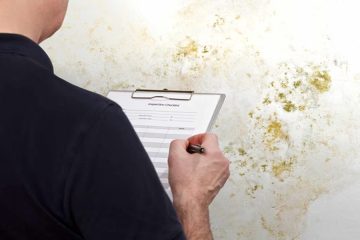
- Big cracks or holes: This allows the water to seep in, which increases the chances of promoting mold growth and structural problems.
- Regular Repairs: Finding yourself patching various locations often might suggest that replacing the whole siding is more affordable in the long run.
- High energy bills: Increased heating and cooling expenses can result from inadequate insulation caused by deteriorated siding. New siding controls interior temperatures and increases energy efficiency.
Selecting the Right Siding for Your House
Choosing superior siding material guarantees durability and longevity if a replacement is needed.
Among the most often selected choices are:
- Economical, low upkeep, moisture-resistant vinyl siding.
- Fiber cement siding is exceedingly robust, fire-resistant, and gives a wood-like appearance.
- Natural and traditional, wood siding has to be maintained often.
- Strong and durable, suitable for severe weather. Metal siding is great.
In Conclusion
Whether your siding needs little fixes or a full replacement, quick damage handling preserves the integrity of your house and boosts its general appeal. With expert advice from building contractors, homeowners can guarantee their siding stays strong, effective, and visually appealing. By investing in professional services, you help a company dedicated to strengthening the neighborhood as well as improve your house.