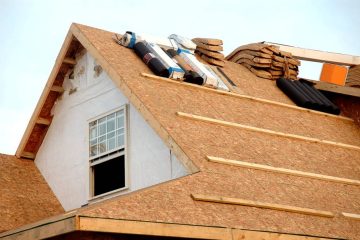
Mastering Roof Pitch: Avoid Snow Risks with the Right Slope

Roof pitch, which is typically represented as a ratio of vertical rise to horizontal run, describes how steep or sloping a roof is. Nearly flat or gently sloping, low-pitched roofs are frequently defined as having a slope of less than 3:12. Although this design is well-liked for its contemporary looks and ability to maximize inside space, it poses serious difficulties in icy climates. Understanding the ideal roof pitch for snow is essential, as low-pitched roofs often collect a lot of snow, raising the possibility of structural damage, leaks, and expensive repairs. In contrast, steep roofs make it easy for snow to fall off, reducing these risks. The first step in defending your house against winter weather threats is to be aware of these difficulties.
Increased Snow Accumulation on Low-Pitched Roofs
Low-pitched roofs’ propensity to retain snow instead of shed it is one of its main issues. Due to the small slope, snow settles and compacts, frequently creating thick layers that significantly increase weight. Snow on low-pitched roofs can stay for extended periods of time, increasing load strains on roofing materials and the underlying structure, in contrast to steep roofs where gravity helps remove the snow. In severe situations, this ongoing accumulation of snow may cause sagging, cracking, or even collapse. Low-pitched roof owners should exercise extra caution during and after periods of severe snowfall.
Water Drainage and Ice Dam Formation
Low roof pitch affects water drainage, increasing winter damage risk. Ice dams arise when melting snow pools and refreezes on flat or gently sloping surfaces due to sluggish drainage. Ice dams prevent drainage, causing water to build up under roofing membranes or shingles. Internal insulation, walls, and ceilings are damaged by leaks. Low-pitched roofs require extra steps to drain water and prevent ice build-up, unlike steep roofs.
Mitigating Risks with Structural and Maintenance Strategies
In snowy places, homeowners can take a few simple steps to reduce low-pitched roof dangers. Roof support beams can be strengthened to accommodate heavier snow loads. Waterproof membranes designed for flat roofs enhance leak protection. Maintenance requires regular snow removal. Roof rakes or professional snow removal can prevent dangerous snow build-up. Snow removal must be done carefully to protect roofing components.
Improving Insulation and Ventilation to Prevent Damage
Winterizing low-pitched roofs requires attic ventilation and insulation. By keeping warm air inside living rooms, excellent insulation prevents attic heat loss and uneven roof snowmelt. By circulating cold air beneath the roof, ventilation maintains temperature and prevents ice dams. Flat and low-slope roofs need this balancing to prevent water gathering and protect the structure.
Conclusion
In snowy regions, low roof pitch poses special difficulties, such as increased snow accumulation, drainage problems, and the possibility of ice dams. Proactive measures including strengthening buildings, regularly clearing snow, and improving ventilation and insulation are necessary for homeowners with flat or moderately sloping roofs.