Sustainable Home Renovations: Eco-Friendly Trends for 2024

Sustainable home renovations have become increasingly important as homeowners seek to reduce their environmental footprint and create healthier living spaces. As we move into 2024, several eco-friendly trends are emerging that not only benefit the environment but also enhance the comfort and efficiency of homes. This article explores the latest sustainable home renovation trends, providing valuable insights for those looking to make their homes more eco-friendly.
Energy-Efficient Lighting Solutions
LED Technology
One of the simplest yet most effective ways to make a home more sustainable is by upgrading to LED lighting. LED bulbs use up to 90% less energy than traditional incandescent bulbs and last significantly longer, reducing both energy consumption and waste. They are available in various styles and colors, making them suitable for any decor.
Smart Lighting Systems
Incorporating smart lighting systems can further enhance energy efficiency. These systems allow homeowners to control lighting through mobile apps or voice commands, enabling them to turn off lights remotely or set schedules. Smart lighting can also adjust brightness based on natural light levels, ensuring optimal energy use.

Recycled and Repurposed Materials
Reclaimed Wood
Using reclaimed wood for flooring, cabinetry, and furniture is a popular trend in sustainable home renovations. Reclaimed wood not only adds a unique aesthetic but also reduces the demand for new timber, helping to preserve forests.
Recycled Metal and Glass
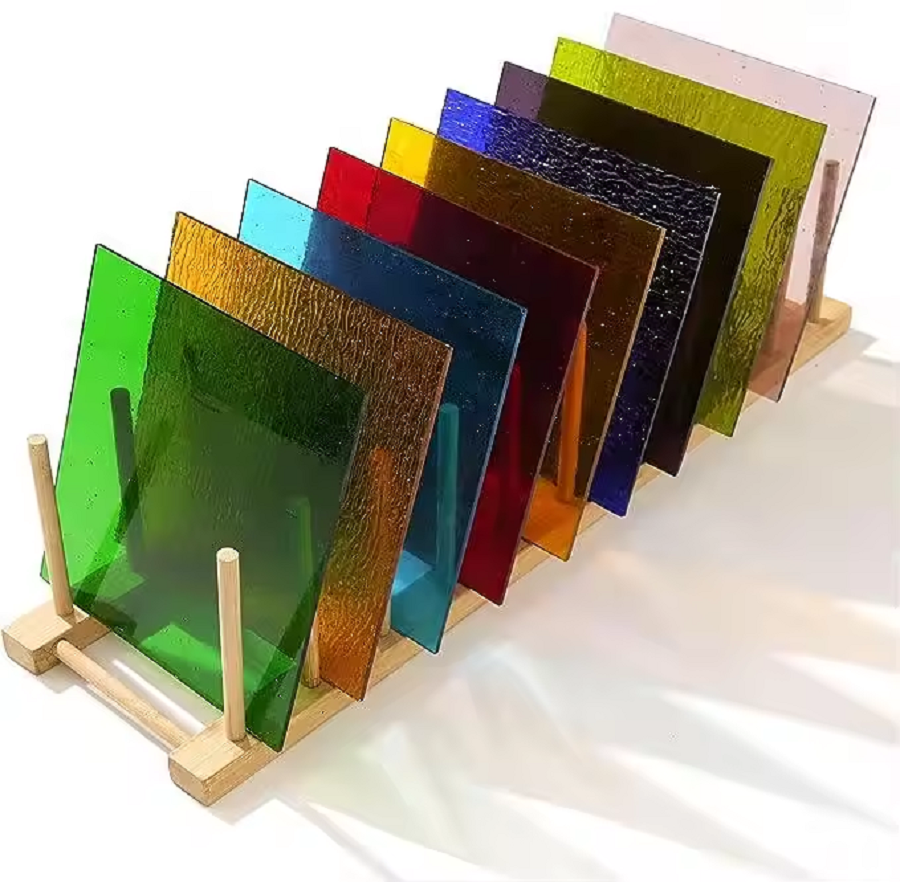
Recycled metal and glass are also gaining traction as sustainable building materials. These materials can be used in various applications, from countertops to decorative elements, and help reduce the environmental impact associated with mining and manufacturing new materials.
Window and Door Upgrades
Energy-Efficient Windows
Upgrading to energy-efficient windows is a crucial step in reducing a home’s energy consumption. These windows are designed to minimize heat transfer, keeping homes warmer in the winter and cooler in the summer. They often feature multiple panes of glass, low-emissivity coatings, and gas fills for enhanced insulation.
Weatherstripping and Sealing
For those not ready to replace their windows and doors, weatherstripping and sealing can significantly improve energy efficiency. By sealing gaps and cracks, homeowners can prevent drafts and reduce heating and cooling costs.
Solar Power Integration
Rooftop Solar Panels
Installing rooftop solar panels is a well-established method for harnessing renewable energy. Solar panels convert sunlight into electricity, reducing reliance on fossil fuels and lowering utility bills. Advances in solar technology have made panels more efficient and affordable, making this a viable option for many homeowners.
Solar-Powered Appliances
In addition to solar panels, solar-powered appliances are becoming more common. These appliances, such as solar water heaters and solar-powered outdoor lighting, further reduce a home’s carbon footprint and energy costs.
Indoor Gardens and Green Spaces
Vertical Gardens
Vertical gardens, or living walls, are an innovative way to incorporate greenery into indoor spaces. These gardens improve air quality, provide insulation, and add a natural aesthetic to homes. They are particularly beneficial in urban environments where outdoor space is limited.
Herb and Vegetable Cultivation
Growing herbs and vegetables indoors is another sustainable trend. Indoor cultivation reduces the need for store-bought produce, cutting down on transportation emissions and packaging waste. It also ensures a fresh supply of organic produce year-round.
Water Conservation Strategies
Low-Flow Fixtures
Installing low-flow fixtures, such as showerheads, faucets, and toilets, is an effective way to conserve water. These fixtures reduce water usage without compromising performance, helping homeowners save on water bills and reduce their environmental impact.
Rainwater Harvesting
Rainwater harvesting systems collect and store rainwater for various uses, such as irrigation and flushing toilets. This practice reduces the demand on municipal water supplies and helps manage stormwater runoff, contributing to sustainable water management.
Conclusion
Sustainable home renovations are not only beneficial for the environment but also offer long-term cost savings and improved living conditions. By adopting eco-friendly trends such as energy-efficient lighting, recycled materials, window and door upgrades, solar power integration, indoor gardens, and water conservation strategies, homeowners can create more sustainable and resilient homes. Embracing these trends in 2024 will contribute to a greener future for all.