Hurricane Season: Expect Roof Leaks, Water Damage, and The Need for Mold Remediation in South Florida
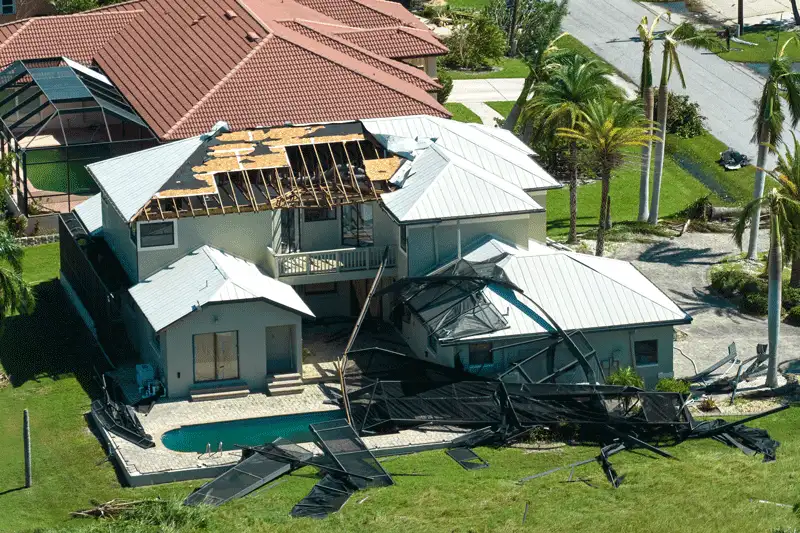
South Florida’s hurricane season, which runs from June 1 to November 30 every year, brings more than just high winds and heavy rain—it’s a recipe for roof leaks, water damage, and the silent menace of mold. With the region’s humid climate and frequent storms, even minor hurricane damage can spiral into major problems if not addressed quickly. Mold, thriving in the warm, damp aftermath of a storm, can compromise your home’s structure and your family’s health. This guide offers up several unique, actionable strategies tailored to South Florida homeowners to prepare for, manage, and recover from hurricane-related water damage and mold, ensuring your home stays safe and healthy.
Why Hurricanes and Mold Go Hand-in-Hand in South Florida
South Florida’s unique combination of high humidity (often 70–90%), tropical temperatures, and frequent hurricanes creates a perfect storm for water damage and mold growth. A single hurricane or tropical storm can dump inches of rain, overwhelm drainage systems, and breach even the most fortified homes. Roof leaks, flooded basements, and soaked walls become breeding grounds for mold, which can start growing within 24–48 hours of water exposure.
Common Hurricane-Related Issues:
- Roof Leaks: High winds lift shingles, crack tiles, or expose vulnerabilities, letting water seep into your home.
- Water Intrusion: Flooding or storm surges can infiltrate basements, crawlspaces, and lower levels.
- Mold Growth: Warm, moist conditions accelerate mold proliferation, especially in porous materials like drywall, insulation, and carpeting.
- Health Risks: Mold exposure can cause respiratory issues, allergies, or even severe reactions to toxic molds like Stachybotrys (black mold).
With South Florida’s hurricane season already underway, preparation and rapid response are key to minimizing damage and preventing mold.
Preparing Your South Florida Home for Hurricane Season
Prevention is your first line of defense. Take these steps before a storm hits to reduce the risk of leaks, water damage, and mold.
- Fortify Your Roof:
- Inspect and Repair: Hire a licensed roofer to check for loose shingles, cracked tiles, or weak flashing. In South Florida, metal roofs or hurricane-rated asphalt shingles offer superior durability.
- Unique Tip: Apply a waterproof sealant to roof seams and vents, especially around skylights and chimneys, to block water entry during high winds. Products like butyl rubber sealants are ideal for South Florida’s intense weather.
- Upgrade Windows and Doors:
- Install impact-resistant windows and doors to prevent breaches during storms. These are building code requirements in many South Florida counties (e.g., Miami-Dade and Broward).
- Unique Tip: Add storm shutters with drainage channels to divert rainwater away from window frames, reducing seepage into walls.
- Improve Drainage:
- Clear gutters and downspouts to handle South Florida’s torrential rains. Extend downspouts at least 5 feet from your home’s foundation.
- Unique Tip: Install a French drain or regrade your yard to direct water away from your home, especially in low-lying areas prone to flooding (check your flood zone at FEMA’s Flood Map Service Center).
- Stock Up on Supplies:
- Keep tarps, sandbags, and waterproof tape on hand to temporarily seal leaks or block water during a storm.
- South Florida Tip: Store a portable dehumidifier and battery-powered fans in a waterproof container to dry out small areas if power is lost post-storm.
- Document Your Home:
- Take photos or videos of your home’s interior and exterior before hurricane season. This documentation will streamline insurance claims for water or mold damage.
Handling Roof Leaks and Water Damage Post-Hurricane
When a hurricane hits, quick action is critical to limit water damage and prevent mold. Here’s how to respond effectively in South Florida’s post-storm environment.
Step 1: Assess and Contain Damage
- Safety First:
- Avoid entering flooded areas until power is off to prevent electrical hazards. South Florida’s frequent power outages post-hurricane make this step crucial.
- Wear protective gear (boots, gloves, N95 mask) when inspecting water-damaged areas to avoid mold spores or contaminated water.
- Identify Leaks:
- Check ceilings, walls, and attics for water stains, bubbling paint, or damp spots. Use a flashlight to inspect dark corners, as South Florida’s humid air can hide small leaks.
- Unique Tip: Rent a thermal imaging camera (available at Home Depot or online) to detect hidden moisture in walls or under flooring without invasive damage.
- Temporary Fixes:
- Cover roof leaks with a tarp or heavy-duty plastic, securing it with ropes or weights. Seal indoor leaks with waterproof tape until professional repairs can be made.
- South Florida Tip: Contact a local roofer immediately after a storm, as high demand in areas like Miami or Fort Lauderdale can lead to long wait times. Check X for real-time recommendations on trusted local contractors using hashtags like #SouthFloridaRoofing.
Step 2: Dry Out Your Home
- Remove Standing Water:
- Use a wet/dry vacuum or pump for flooded areas. For small puddles, soak up water with towels or mops.
- Unique Tip: Rent industrial fans or dehumidifiers from local South Florida suppliers (e.g., Sunbelt Rentals in Miami) to speed up drying in high-humidity conditions.
- Ventilate and Dehumidify:
- Open windows and doors if it’s safe and dry outside, but avoid this during South Florida’s post-storm humidity spikes. Use fans and dehumidifiers to keep indoor humidity below 50%.
- South Florida Tip: Clean your HVAC system post-storm, as damp ducts can harbor mold. Install a UV light in your AC unit to kill mold spores, a must-have in South Florida’s climate.
- Remove Damaged Materials:
- Cut out waterlogged drywall, insulation, or carpeting within 24–48 hours to prevent mold growth. Dispose of materials in sealed plastic bags to contain spores.
Mold Remediation: Tackling the Aftermath
If the recent water damage goes unchecked, mold can take hold quickly. South Florida’s warm, humid conditions make professional mold remediation a necessity for significant infestations.
DIY Mold Cleanup for Small Areas
For mold patches smaller than 10 square feet:
- Gear Up: Wear an N95 mask, gloves, goggles, and a Tyvek suit to protect against spores, which spread easily in humid air.
- Clean Non-Porous Surfaces: Use a 1:10 bleach-to-water solution or a natural alternative like tea tree oil (1 tsp per cup of water) to clean mold from tile, glass, or metal. Scrub, let sit for 10 minutes, then wipe dry.
- Remove Porous Materials: Cut out and replace moldy drywall or carpet, as mold roots can penetrate deeply.
- Tip: Use a shop vac with a HEPA filter to capture loose spores before cleaning, reducing the risk of spreading mold during cleanup.
Professional Mold Remediation
For larger infestations or suspected toxic mold, hire a licensed mold remediator certified by the Florida Department of Business and Professional Regulation (DBPR). They’ll:
- Use HEPA air scrubbers to remove airborne spores.
- Apply antimicrobial treatments to prevent regrowth.
- Conduct post-remediation verification (PRV) testing to ensure the mold is gone.
Cost: Mold remediation in South Florida ranges from $1,000–$5,000, or a lot more depending on the extent of the damage. Check with your insurance provider, as some policies cover mold remediation after hurricane damage.
Tip: After remediation is completed, request a detailed report identifying the mold types (e.g., Aspergillus or Cladosporium, common in Florida) to better understand the health risks and guide future prevention.
Preventing Future Mold in Your South Florida Home
Remediation is only half the battle—preventing mold from regrowing is critical in South Florida’s climate.
- Permanent Repairs:
- Fix roof leaks with hurricane-resistant materials like metal roofing or impact-rated shingles.
- Seal windows and doors with caulk or weatherstripping to block water intrusion.
- Control Humidity:
- Run a dehumidifier in high-risk areas like basements or laundry rooms. Invest in a hygrometer ($10–$30) to monitor indoor humidity, keeping it below 50%.
- Unique Tip: Install a smart thermostat with humidity sensors (like Nest or Ecobee) to automatically adjust your AC for optimal moisture control.
- Regular Maintenance:
- Inspect your home annually, especially before hurricane season. Check attics, crawlspaces, and exterior walls for signs of moisture.
- South Florida Tip: Schedule HVAC maintenance twice a year to prevent mold in ducts, a common issue in Miami-Dade and Palm Beach counties.
- Homeowners Insurance and Documentation:
- Review your homeowner’s insurance for flood and mold coverage. In South Florida, separate flood insurance (via FEMA’s National Flood Insurance Program) is often necessary.
- Keep receipts and photos of repairs for insurance claims or FEMA assistance post-hurricane.
Get Ready for Hurricane Season & Heavy Rains
Hurricane season in South Florida is a fact of life, but roof leaks, water damage, and mold don’t have to be. By preparing your home, acting quickly after a storm, and addressing mold with professional or DIY mold removal methods, you can protect your property and health. South Florida’s climate may be relentless, but with these unique, region-specific strategies, you can weather the storm and keep mold at bay. Try your best to stay proactive, dry, and to keep your home as safe as possible in the face of potential hurricanes.
For significant water damage, mold, or health concerns, consult with a licensed and certified mold remediation company like Mold Only or medical experts with experience in South Florida.